
Short Summary
Medieval Paris still exists; you just need to know where to look. This self-guided walk leads you through preserved streets, hidden courtyards, and rare medieval houses including the Nicolas Flamel house. Use this route to explore architecture that survived fires, revolutions, and Haussmann’s redesign, all within an easy stroll across central Paris.
What you’ll learn today
Where to find the best surviving medieval streets and houses in Paris.
- A step-by-step walking route that starts on the Île de la Cité and ends in the Latin Quarter.
- Practical tips for exploring medieval architecture on your own, including what to notice along the way.
Where to Find Medieval Paris: A Self-Guided History Walk
Medieval Paris can feel elusive, but several pockets of the city have survived almost untouched. This self-guided history walk brings you to the most authentic locations where medieval architecture and street plans remain visible. It is designed for first-time visitors as well as anyone who wants to see Paris beyond the usual monuments. You can easily combine this route with a broader introduction to the city, such as the Paris Starts Here tour that covers Notre Dame to the Louvre: https://www.takeourtours.com/tour/paris-starts-here-tour/.
Start on the Île de la Cité, the heart of medieval Paris
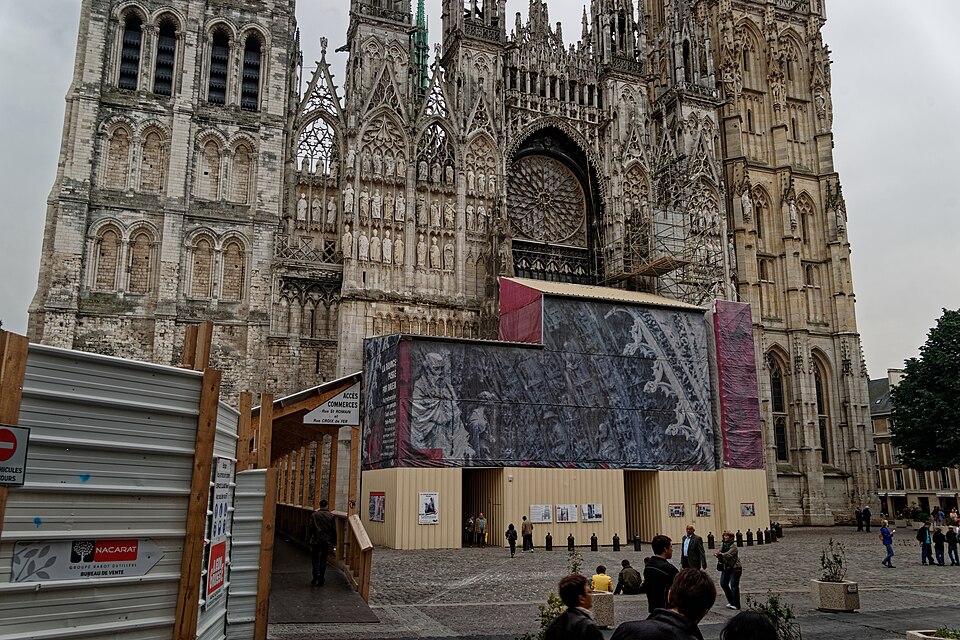
Stop 1. Notre Dame exterior (Place Jean-Paul II)
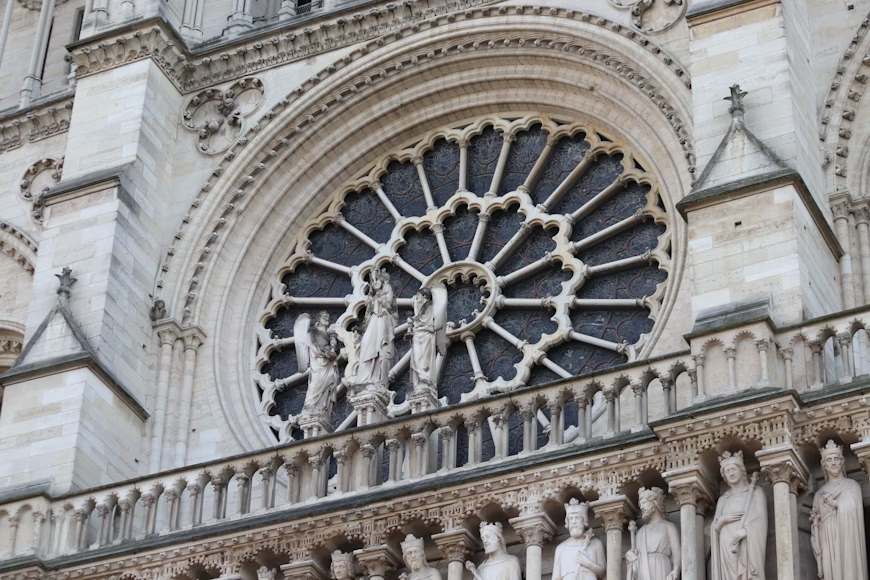
Notre Dame is the best known example of Gothic architecture, but your goal here is to notice the medieval street layout around it. The cathedral square once held a dense network of homes, shops, and narrow lanes. Although the buildings are gone, the island remains the historic core of medieval Paris.
Tip: Walk behind the cathedral along the riverside path. The curve of the island gives you a sense of the original medieval footprint.
Stop 2. Rue Chanoinesse and Rue des Ursins
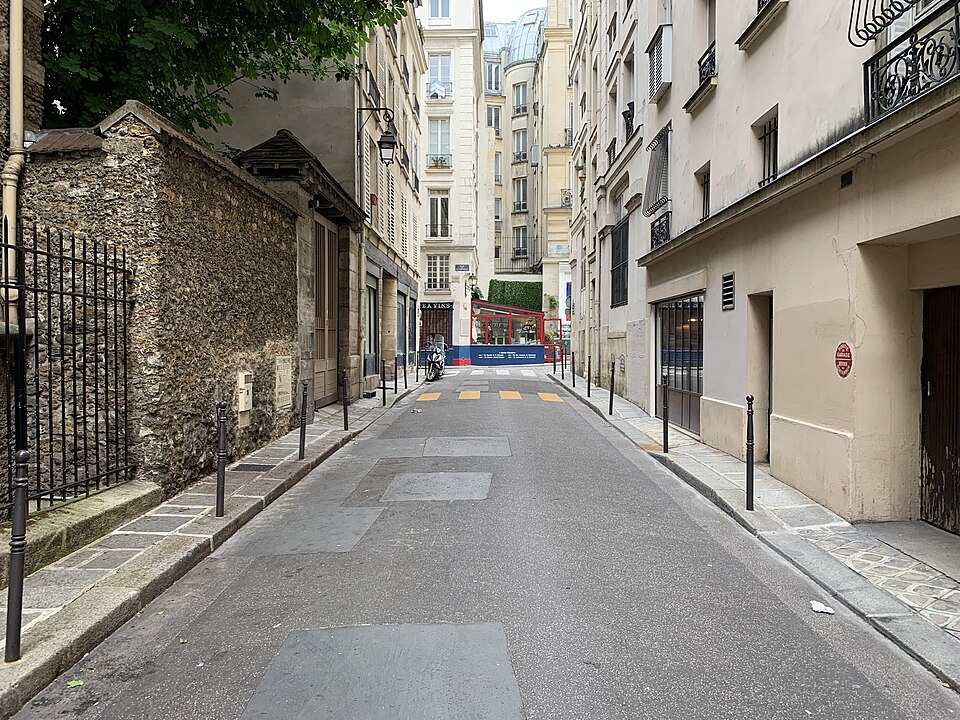
These small streets behind Notre Dame preserve the intimate scale of medieval residential lanes. Look for:
- Irregular building alignments
- Stone walls and timber-frame details
- Narrow passages shaped by the original street grid
Rue des Ursins in particular still follows its medieval trajectory even though most buildings have been altered over time.
Cross to the Right Bank to find the oldest houses in medieval Paris
Stop 3. Rue François Miron (4th arrondissement)
This street holds two of the most photographed medieval-style houses in Paris at numbers 11 and 13. They were restored in the 20th century but reflect the typical timber-frame look that once filled the Marais. The area is easy to explore further, and if you enjoy this district you may like the Free Marais Tour: https://www.takeourtours.com/tour/free-marais-tour/.
Things to observe:
- Exposed wooden beams
- Steep roofs
- Window proportions typical of medieval workshops and homes
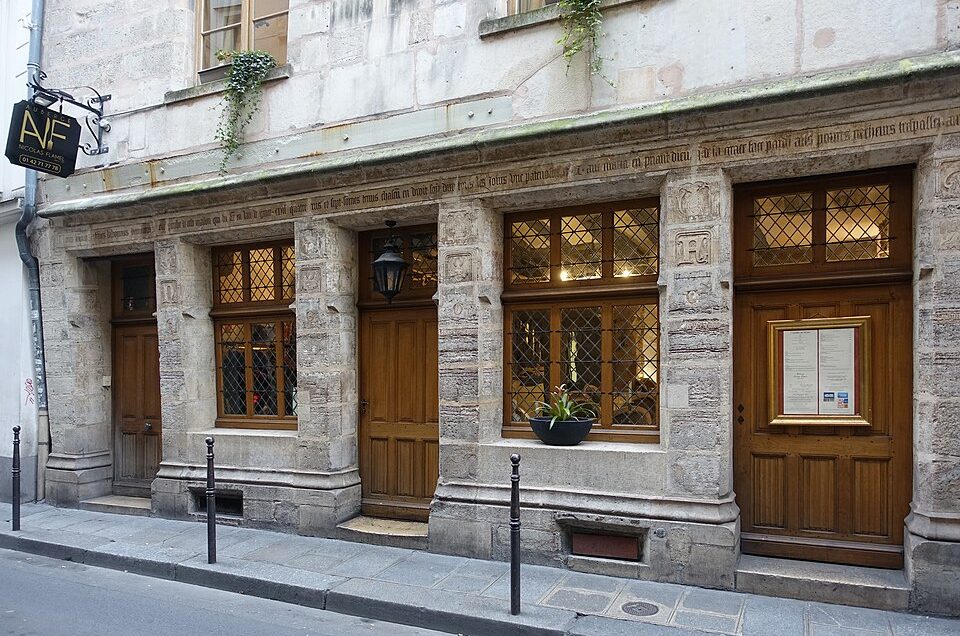
Stop 4. Maison de Nicolas Flamel (51 Rue de Montmorency)
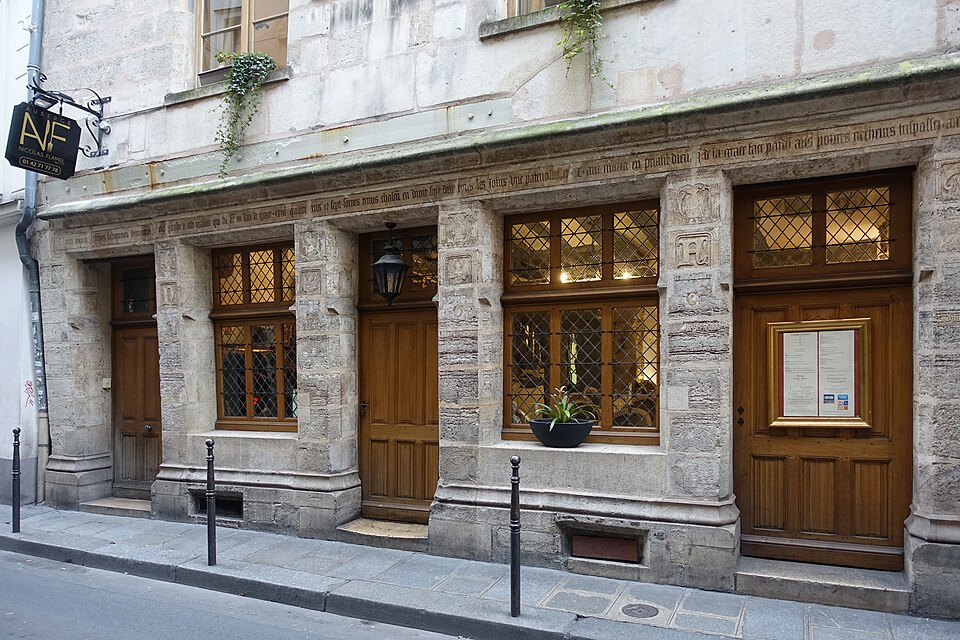
Often called the oldest stone house in Paris, this building dates from 1407 and is linked to Nicolas Flamel, a real historical figure known for philanthropy rather than alchemy. Although its façade has been restored, the sculpted stone details and inscriptions reflect true medieval craftsmanship.
Tip: Notice the long ground-floor window line, which originally allowed daylight into a charity refectory.
Continue toward the Latin Quarter to see surviving medieval streets
Stop 5. Rue Galande
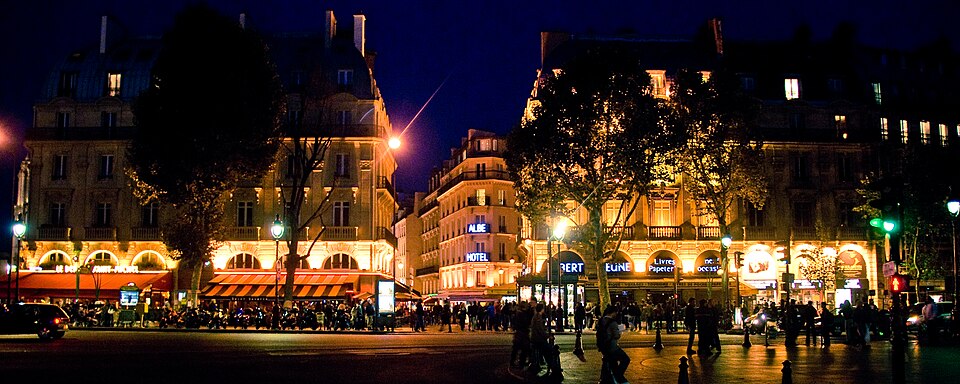
Rue Galande is one of the Latin Quarter’s oldest streets and still follows its medieval layout. Look for stepped gables, narrow plots, and the small church of Saint-Julien-le-Pauvre nearby, which has medieval origins even though it has been modified over centuries.
Stop 6. Rue de la Parcheminerie and Rue Saint-Séverin
These streets run through an area once filled with parchment makers, book traders, and university artisans. The buildings are a mix of periods, but the street shapes have stayed remarkably close to their medieval form.
Suggestions for what to notice:
- Overhanging upper floors
- Uneven rooflines
- Carved details over doorways
This part of the walk pairs nicely with the Free Left Bank Tour if you want a deeper look at the neighborhood: https://www.takeourtours.com/tour/free-left-bank-tour/.
How long this medieval Paris walk takes
Expect the full route to take 1.5 to 2 hours at an easy pace. Distances are short, and most stops sit within a compact area. If you want to linger at cafés or visit churches, allow extra time.
Practical tips for exploring medieval Paris on your own
Best time of day
Morning or late afternoon provides softer light for photography and quieter streets, especially in the Marais and Latin Quarter.
What to look for
- Timber framing
- Carved stone lintels
- Narrow, irregular streets that predate Haussmann’s redesign
- Old shopfront widths that show medieval economic life
Respecting private property
Many medieval buildings are still lived in today. You are welcome to photograph façades, but avoid entering courtyards unless they are clearly open to the public.
FAQ
Where are the best places to see medieval architecture in Paris?
The Marais, the Latin Quarter, and the streets behind Notre Dame offer the most accessible medieval buildings and street layouts. Each area preserves façades, alleys, and details that survived centuries of change.
Is the house of Nicolas Flamel really medieval?
Yes, the stone house on Rue de Montmorency dates from 1407. It has been restored, but the structure and inscriptions are authentic to its medieval origins.
Can you visit inside the medieval houses on this walk?
Most medieval houses on this walk are private homes, so interiors are not open to visitors. You can enjoy the façades from the street and explore nearby churches that preserve medieval elements.