
Short Summary
Paris is full of world-class museums, but some of its most rewarding treasures are tucked away in smaller cultural spaces. This guide explores five small history museums in Paris, including Musée Carnavalet, Musée de la Vie Romantique, and Musée de Cluny. Each offers a deeper look at Parisian identity, medieval art, and literary life. These museums are ideal if you want quieter galleries and more local insight.
What you’ll learn today
- An overview of five small history museums in Paris, including what makes each unique.
- Tips on planning a visit and what to expect.
- Where to find additional walking tours to complement your museum days.
- Answers to common questions travelers ask when choosing smaller museums.
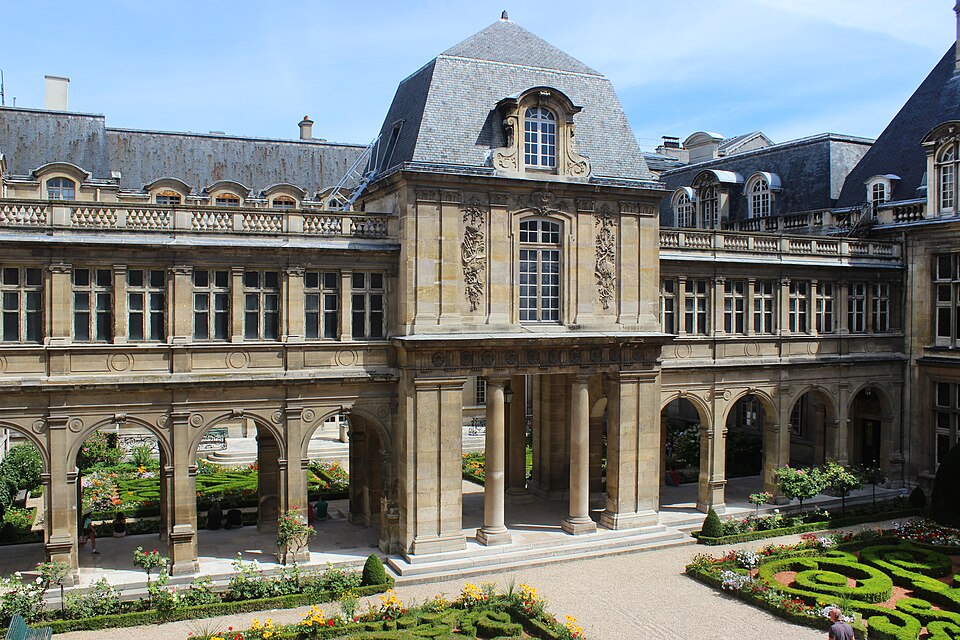
1. Musée Carnavalet: The Essential History of Paris
The Musée Carnavalet is the city’s dedicated museum of Parisian history. Its galleries trace the story of the city from ancient times to the present through paintings, models, artifacts, and recreated historic rooms.
Since the museum focuses entirely on Paris, it pairs well with exploring the surrounding Marais district. If you want to learn more about the neighborhood after your visit, the nearby Marais walking tour offers a helpful introduction: https://www.takeourtours.com/tour/free-marais-tour/.
Highlights include:
- Rooms from the French Revolution
- Models of old Paris
- Collections from daily life across centuries
- Free permanent exhibitions (check the official website for updates)
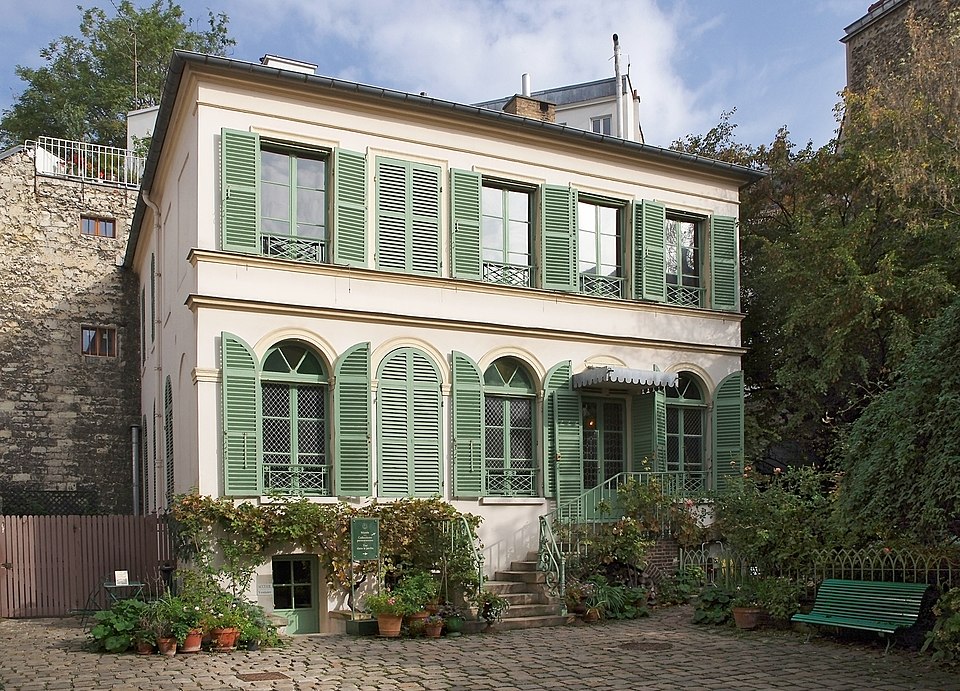
2. Musée de la Vie Romantique: A Quiet Cultural Escape
Located at the foot of Montmartre, the Musée de la Vie Romantique explores the Romantic era of the 19th century. It is set inside a charming townhouse once frequented by artist Ary Scheffer and writer George Sand.
This small museum is ideal if you enjoy literature, art salons, and intimate historic spaces. The garden café is also a peaceful stop, especially in spring and summer.
What you’ll find:
- Portraits, sculptures, and personal objects from the Romantic era
- A look into the literary life of George Sand
- Seasonal temporary exhibitions
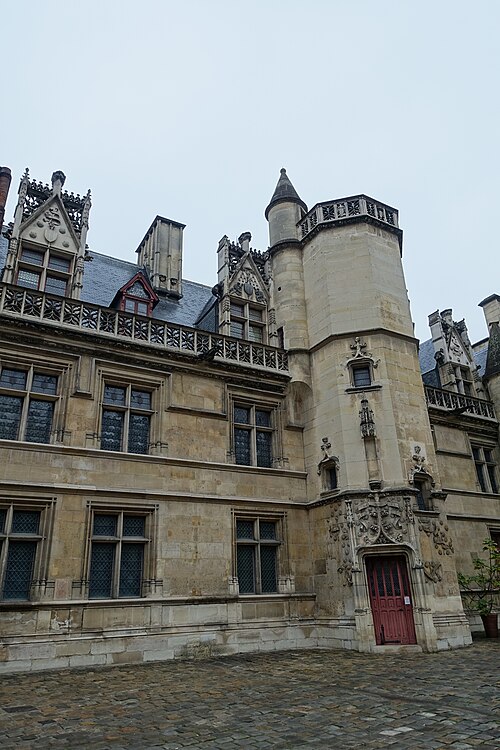
3. Musée de Cluny: Paris’ Medieval Treasure
The Musée de Cluny, also called the National Museum of the Middle Ages, is one of the most atmospheric small museums in Paris. It is best known for the Lady and the Unicorn tapestries, considered masterpieces of medieval art.
The building itself is part Roman, part Gothic, which adds to the experience. This museum is especially interesting if you are already exploring the Latin Quarter. If you want context for the neighborhood, the Left Bank tour offers a helpful overview: https://www.takeourtours.com/tour/free-left-bank-tour/.
Key highlights:
- Lady and the Unicorn tapestries
- Medieval stained glass
- Roman baths and archaeological remains
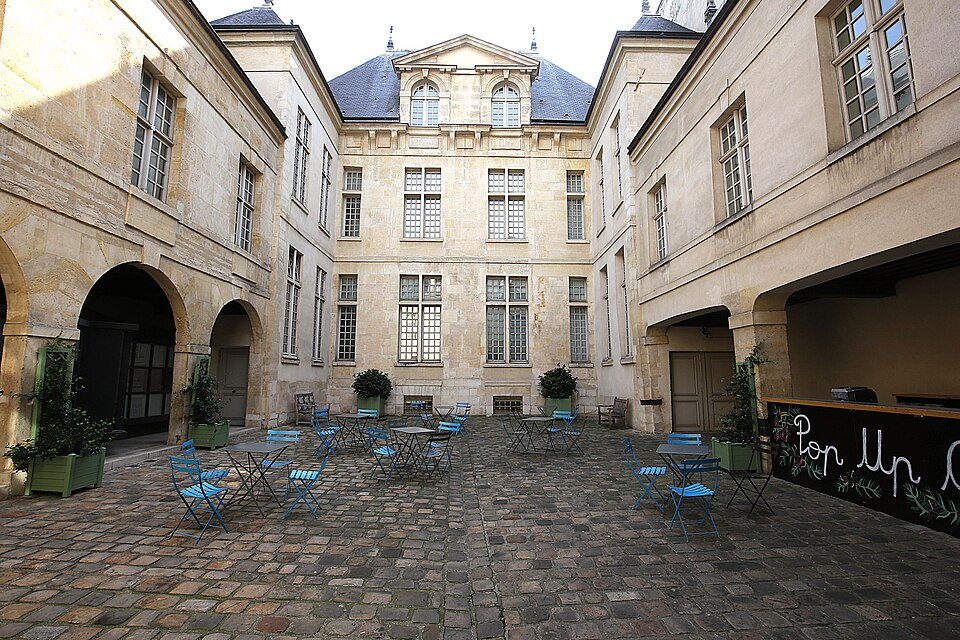
4. Musée Cognacq-Jay: A Collection of 18th Century Paris
The Musée Cognacq-Jay, located in the Marais, houses an elegant collection of 18th-century decorative arts. It was founded by the creators of La Samaritaine department store and includes paintings, furniture, and objects from the Enlightenment period.
Its manageable size makes it easy to explore in under an hour, which works well if you are combining it with nearby historic areas like Place des Vosges or Carnavalet.
Expect to see:
- Paintings by Fragonard and Boucher
- Porcelain, sculpture, and fine furniture
- Intimate, townhouse-style rooms
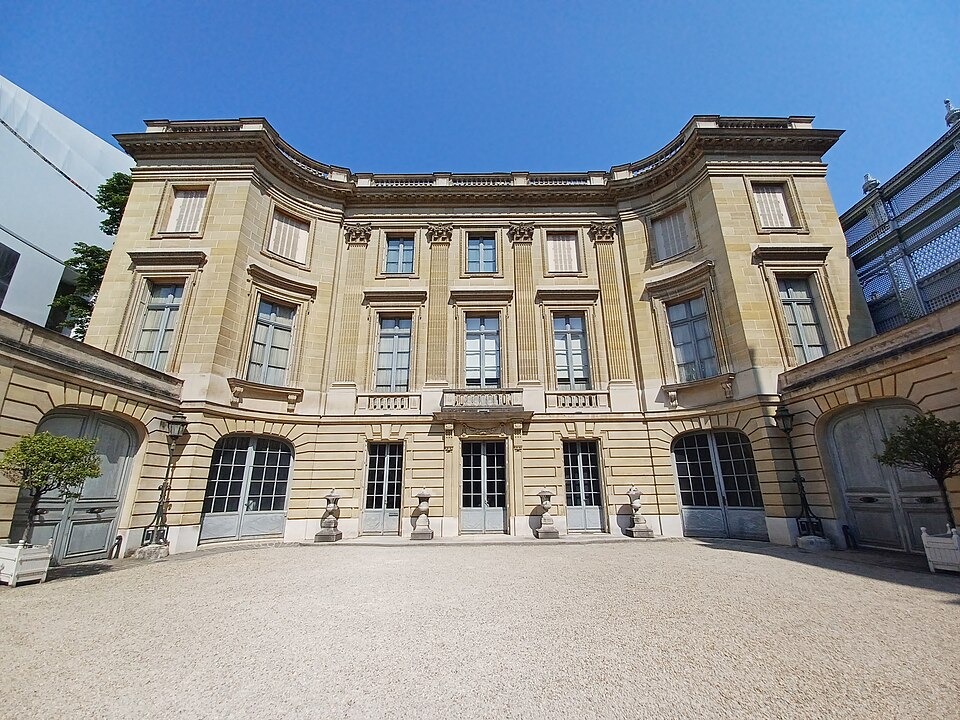
5. Musée Nissim de Camondo: A Parisian Home Frozen in Time
The Musée Nissim de Camondo is an early 20th-century mansion preserved exactly as it was when it belonged to the Camondo family. The house contains one of the finest private collections of 18th-century French decorative arts.
It is located near Parc Monceau, which makes a pleasant stroll before or after your visit. The museum also offers a moving narrative about the Camondo family, so many visitors find the experience both beautiful and poignant.
Why visit:
- Original furnishings and tableware
- Detailed insight into Parisian elite life
- Quiet rooms ideal for slow exploration
Tips for Visiting Small History Museums in Paris
1. Check opening hours.
Smaller museums often have limited hours and may close on Mondays or Tuesdays. Always confirm on the official website before planning your day.
2. Consider combining museums with nearby neighborhoods.
For example:
- Carnavalet + Marais (Place des Vosges, Rue des Rosiers)
- Cluny + Latin Quarter (Sorbonne, Panthéon)
- Vie Romantique + Montmartre (Sacre-Coeur, café streets)
3. Mix small museums with broader introduction tours.
If it’s your first trip, the Paris Starts Here tour provides helpful context between Notre Dame and the Louvre:
https://www.takeourtours.com/tour/paris-starts-here-tour/.
FAQ: Small History Museums in Paris
Are small museums in Paris less crowded than major ones?
Yes, most small history museums in Paris are noticeably quieter than large institutions. They offer calmer galleries and shorter waiting times, especially on weekday mornings.
Do I need to book tickets in advance?
Some museums require timed tickets for temporary exhibitions, but permanent collections are often open without reservations. Always check the museum’s official website for the most current policy.
Which small museum is best for first-time visitors?
For first-time travelers, Musée Carnavalet is the most comprehensive since it focuses entirely on the history of Paris itself. Musée de Cluny is also excellent if you enjoy medieval art and architecture.